
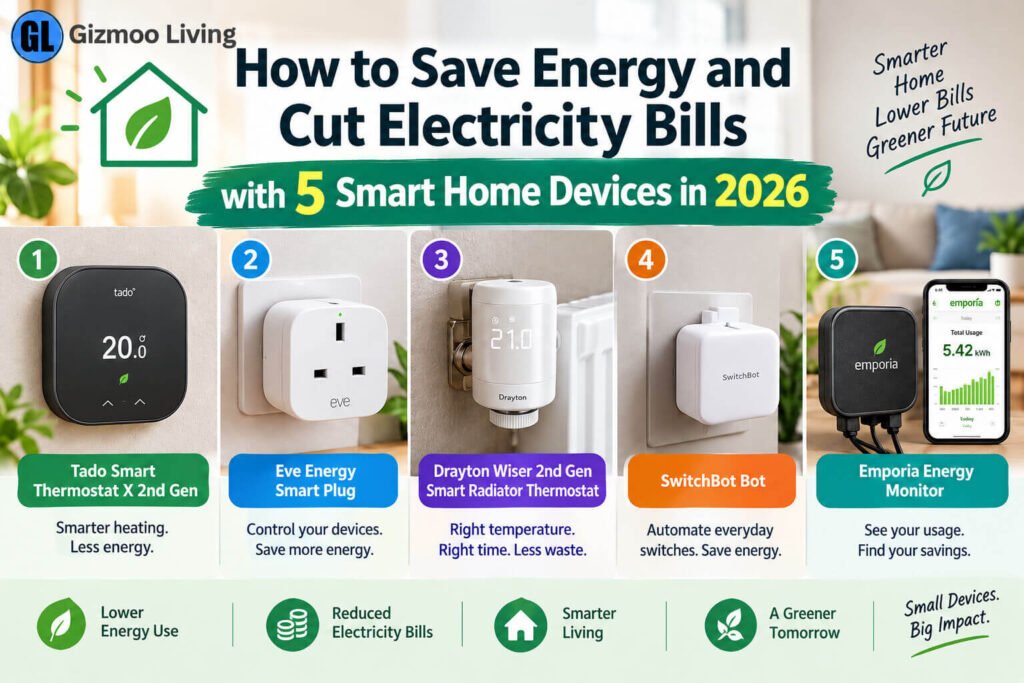
Using smart home devices to save energy is one of the best ways to tackle rising monthly expenses. Electricity bills can quickly become one of the biggest monthly expenses in a home. Heating, air conditioning, water heating, lighting, and appliances can all add to your energy consumption especially when they continue running when nobody is using them.
The good news is that you do not have to sacrifice comfort to reduce your electricity bill. Smart home technology can help you monitor energy use, automate appliances, and adjust heating or cooling based on your daily routine.
In 2026, smart home products are becoming more useful thanks to better automation, energy monitoring, and wider support for standards such as Matter. Here are five smart devices worth considering if you want to reduce wasted energy and take better control of your household electricity use.
Tado Smart Thermostat X (2nd Gen)
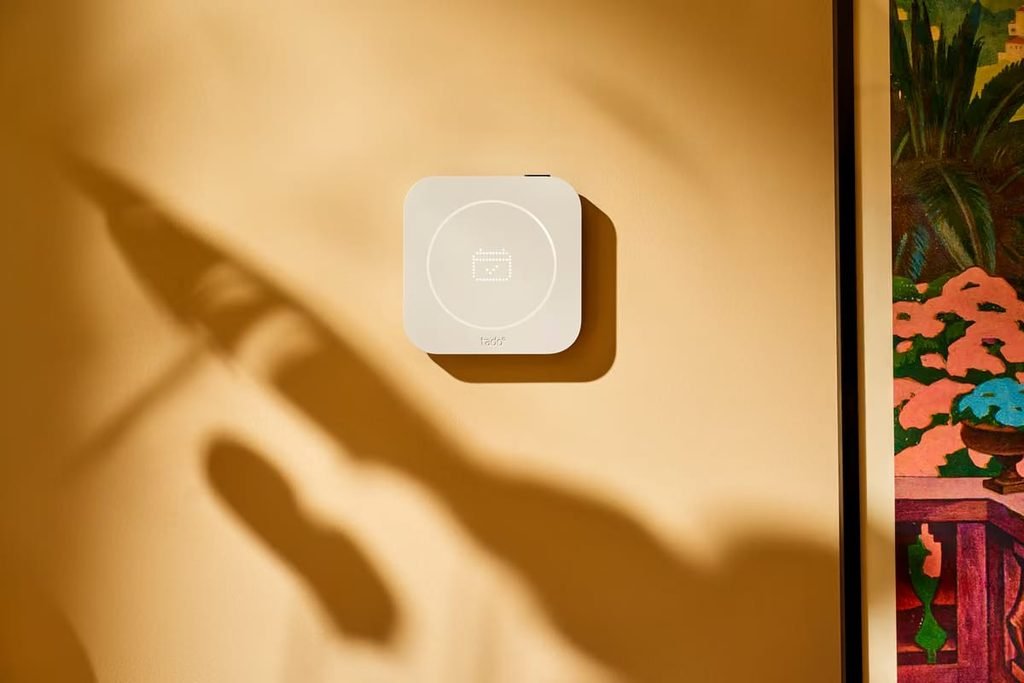
Heating and cooling can account for a significant portion of household energy consumption. A thermostat that keeps the home at the same temperature all day can waste energy when nobody is there. The new Tado Smart Thermostat X (2nd Gen) is designed to make heating management more intelligent.
It supports Matter over Thread and works with compatible smart-home platforms, while also supporting boilers, heat pumps, and underfloor heating. You can create heating schedules and manage multiple thermostats from the same account. Tado also offers AI-assisted heating optimization through its optional AI Assist service.
Key Benefit: Automatically adjusts heating around your schedule.
Best Feature: Matter-over-Thread connectivity and smarter heating optimization.
Best For: Homes in Europe using compatible heating systems.
Eve Energy Smart Plug
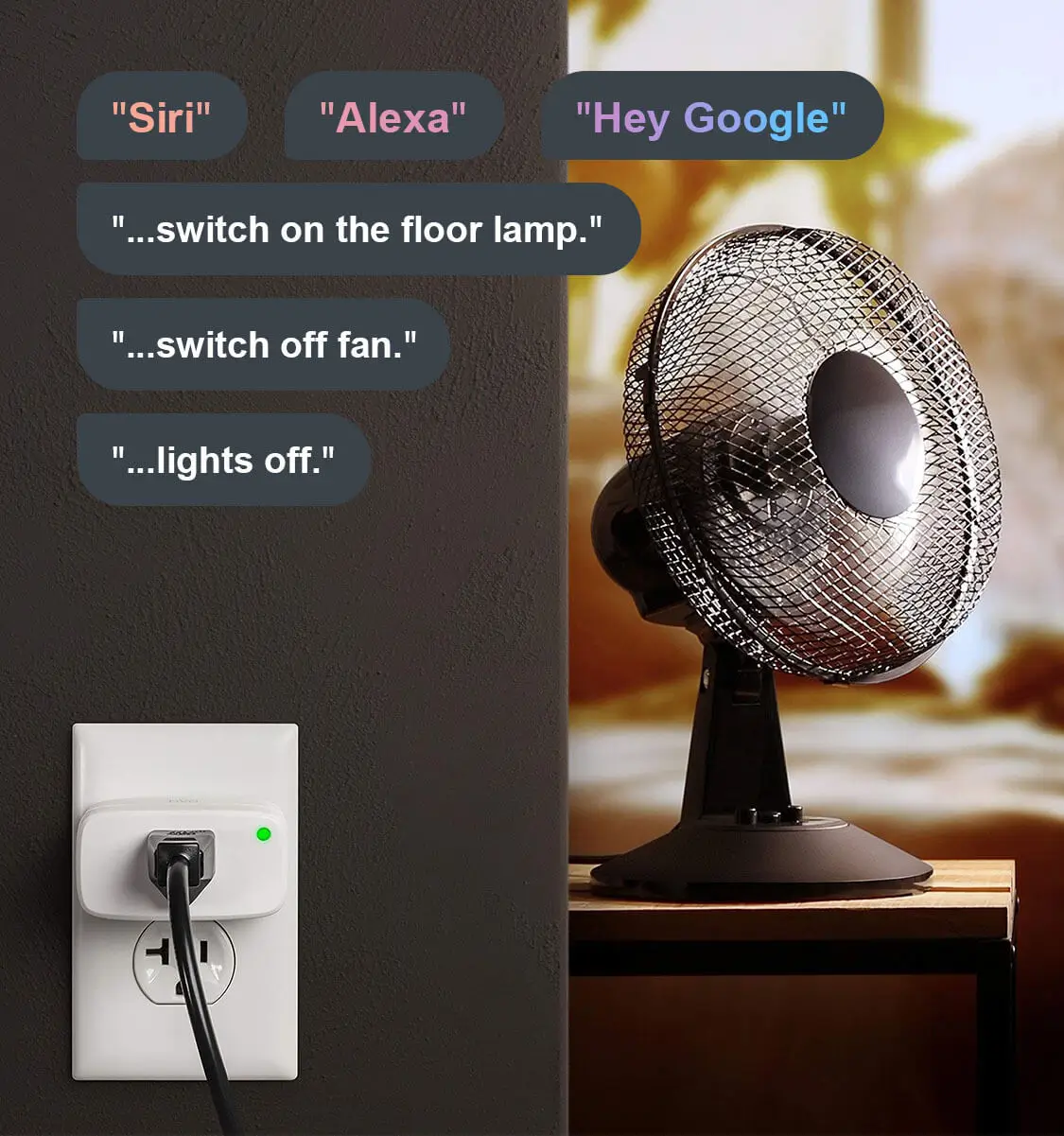
Some appliances consume electricity even when they appear to be switched off. This standby consumption, often called phantom or vampire power, may seem small for one device but can add up across a home. The Eve Energy smart plug allows you to monitor the electricity consumption of connected appliances and control them remotely.
You can use it with devices such as lamps, entertainment systems, fans, or chargers and create schedules to switch them off automatically. Instead of guessing which appliance is using the most electricity, you can use the plug’s energy data to identify unnecessary consumption.
Key Benefit: Makes hidden electricity use easier to identify and control.
Best Feature: Energy monitoring combined with smart scheduling.
Best For: People who want detailed information about individual appliances.
Drayton Wiser 2nd Gen Smart Radiator Thermostat
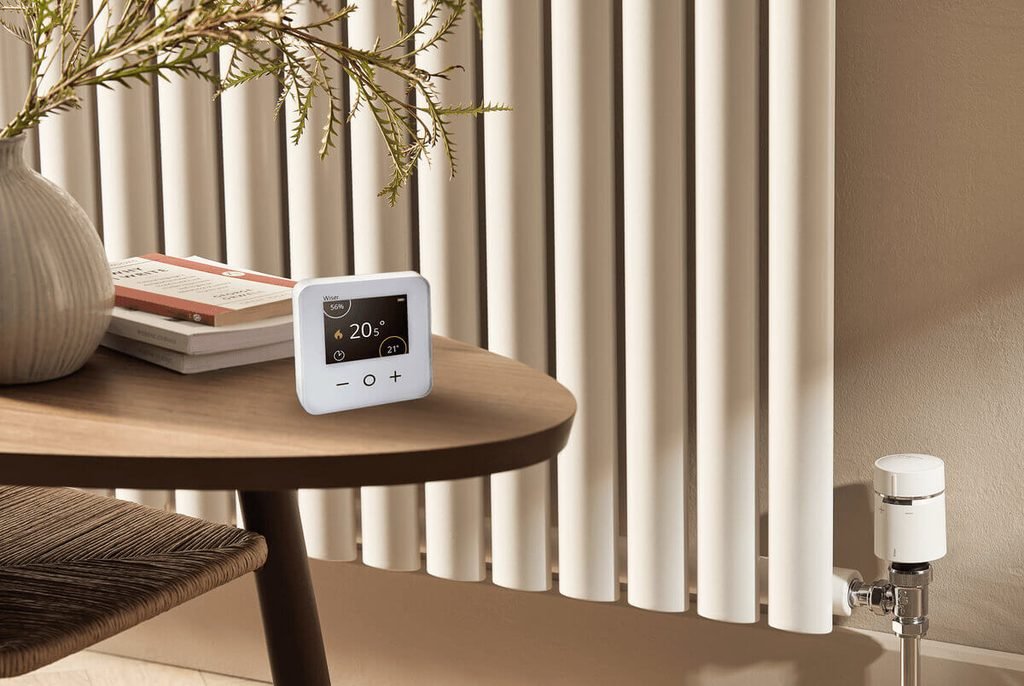
If you live in the UK or another region where radiator heating is common, heating every room to the same temperature can be unnecessary. The new Drayton Wiser 2nd Gen Smart Radiator Thermostat is designed for room-by-room temperature control. It can be fitted to compatible radiator valves and used with the Wiser smart-home ecosystem to create individual heating schedules.
For example: you could keep a bedroom cooler during the day and warm it shortly before bedtime. Rooms that are rarely used can also be kept at a lower temperature instead of being heated continuously.
The latest model is designed to operate quietly and supports both standard AA alkaline and rechargeable Ni-MH batteries. Its Wiser ecosystem is also Matter-enabled, giving it broader smart-home compatibility.
Key Benefit: Heats individual rooms only when needed.
Best Feature: Quiet operation with flexible room-by-room scheduling.
Best For: UK and European homes with compatible radiator systems.
SwitchBot Bot
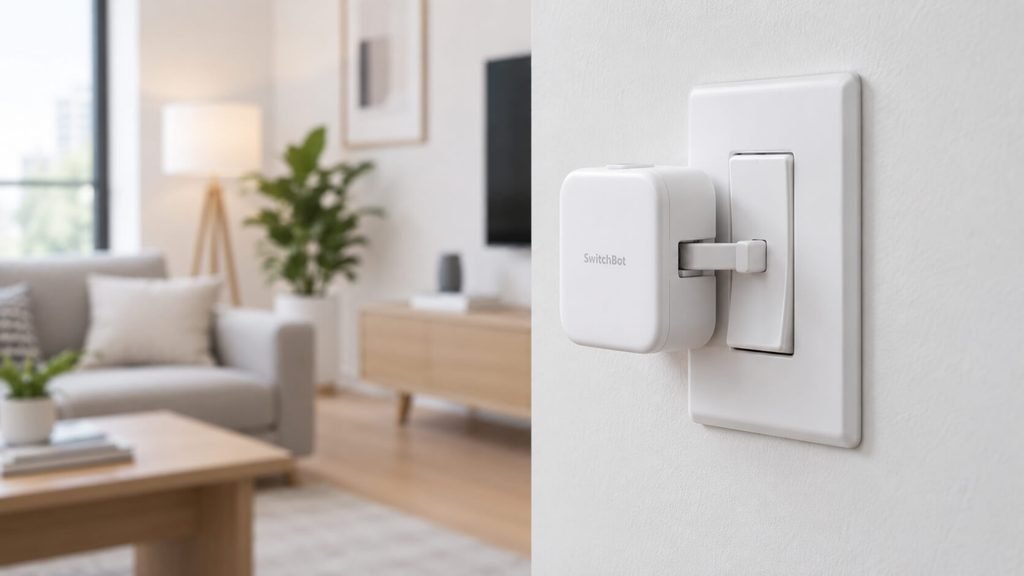
Not every appliance has a smart version, and replacing an otherwise working device simply to add automation can be expensive. The SwitchBot Bot takes a different approach. It is a small robotic device that physically presses a button or switch for you.
It can be attached to compatible switches using adhesive mounting, allowing you to automate certain traditional appliances without rewiring them. This can be useful for lights, switches, coffee machines, and other devices that can be controlled with a physical button.
For example: you could create an automation that turns a compatible switch off at night or after you leave home.
Key Benefit: Adds automation to compatible traditional switches without rewiring.
Best Feature: Simple physical button control.
Best For: Renters or anyone who wants automation without electrical installation.
Emporia Energy Monitor
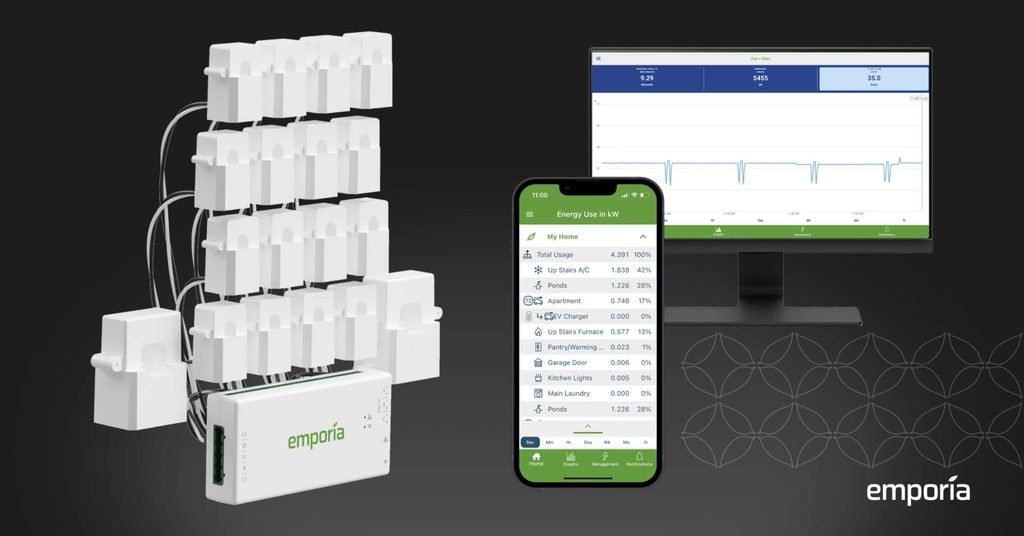
Smart plugs are useful for individual appliances, but they cannot tell you everything about your home’s electricity consumption. A whole-home energy monitor provides a much broader picture. The Emporia energy monitoring system can track electricity usage through the home’s electrical panel and present consumption data through its app.
This type of information can help you identify which parts of your home are consuming the most electricity. You may discover that an air conditioner, electric water heater, refrigerator, or another high-load appliance is responsible for a larger share of your bill than expected.
Once you know where the electricity is going, it becomes much easier to decide what needs to change.
Key Benefit: Provides a whole-home view of electricity consumption.
Best Feature: Detailed energy-use data and monitoring.
Best For: Homeowners who want to understand their overall electricity consumption.
Use of Smart Home Devices to Save Energy Every Day
Smart devices work best when they are combined with simple habits. You do not need to automate everything in your home at once. Start by identifying the biggest sources of electricity consumption. Heating and cooling are often good places to begin. After that, look at appliances that remain powered throughout the day.
You can also create simple routines:
- Turn off entertainment equipment automatically at night.
- Schedule heating or cooling around your daily routine.
- Reduce heating in rooms that are rarely used.
- Monitor high-energy appliances to find unusual consumption.
- Use smart plugs for devices that do not need to operate continuously.
- Check your energy data regularly instead of relying only on your monthly bill.
Recent smart-home developments are also moving toward more connected energy management. At IFA 2026, for example, companies introduced new systems designed to coordinate multiple home-energy devices rather than controlling each product separately.
Final Thoughts
Reducing your electricity bill does not have to mean giving up comfort. The right smart-home devices can make energy saving almost automatic.
If you are just getting started, eve energy smart plug is one of the easiest and least expensive options. If heating is a major part of your energy bill, a smart thermostat or smart radiator thermostat may offer a bigger opportunity for savings. And if you want to understand exactly where your electricity is going, a whole-home energy monitor can provide the information you need.
The key is not to buy every smart device available. Start with the appliances or heating systems that use the most energy, automate the waste, and use the resulting data to make better decisions. Small changes made consistently can add up over an entire year—and in 2026, smart-home technology makes those changes easier to manage than ever.
